
A plastic cup finishing line moves formed cups through the downstream steps needed before they are packed: conveying, rim rolling, counting and stacking, then packaging. Zhongneng supplies equipment for these finishing stages. The sequence below is a practical example, not a fixed layout for every factory.
The finishing line at a glance
| Stage | What happens | Zhongneng equipment example |
|---|---|---|
| Thermoforming | The upstream machine forms the cups and releases them for downstream handling. | Upstream customer equipment |
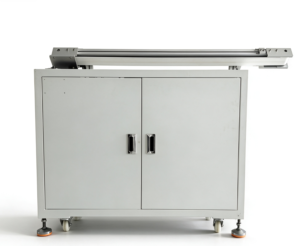
| Conveying | Cups move from the forming machine toward the rim roller. | ZN-S100 V-shaped cup conveyor |
| Rim rolling | The cup edge is shaped into the specified rim profile. | Plastic cup rim rolling machine, such as ZNZ-A350 |
| Counting and stacking | Finished cups are counted and grouped for the required pack quantity. | ZNDS-100 cup counting machine |
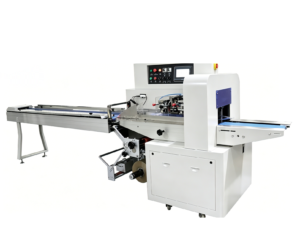
| Packaging | The cup stack moves into a packaging machine for film wrapping. | ZN-B100 cup packing machine |
The equipment examples identify functions in Zhongneng’s range. The final machine selection and physical arrangement depend on the cup and site requirements.
1. Transfer formed cups to the rim roller
The first handoff is from the thermoforming machine to the cup conveyor. Zhongneng’s ZN-S100 is a V-shaped conveyor designed to carry cups upright between forming and rim rolling equipment. Its conveying speed is adjustable. For an existing line, the cup exit direction, cup orientation and relative machine positions should be checked before the conveyor layout is agreed.
2. Roll the cup rim
The rim roller receives cups, shapes the edge and releases them for the next stage. Zhongneng offers machines with manual or automatic die adjustment. Selection starts with the cup material, rim diameter, cup height, intended rim profile and production target. Read what plastic cup rim rolling does for a closer look at this step.
Do not select the machine from a single advertised speed figure. Cup dimensions, material and the way cups feed into and leave the machine all affect the configuration that needs to be discussed.
3. Count and stack the finished cups
After rim rolling, a cup counter groups cups into the number required for each pack. Zhongneng’s ZNDS-100 is described in its product materials as an automatic counting and stacking machine that feeds the following packaging stage. Tell the supplier how many cups you want in each pack and share the cup’s stacking dimensions.
4. Wrap the stacks for packing
The grouped cups then enter the packaging station. The ZN-B100 is Zhongneng’s single-row, bottom-film-feed cup packing machine. Packaging requirements should include the number of cups per pack, stack size and desired film or bag format. The machine and film configuration should be confirmed against the actual product.
Where does the forming scrap go?
Thermoforming also produces trim or scrap material. In Zhongneng’s process description, that material can go to a separate crushing route while the formed cups continue through the finishing line. It is a parallel material-handling path, not another step that each finished cup passes through. Downstream case packing and palletizing are also separate from the conveying, rim rolling, counting and film-packing equipment discussed here.
What should a factory share before planning the line?
- Cup material, rim diameter, height and clear cup photos or drawings.
- Desired rim profile and examples of acceptable finished cups.
- Current thermoforming machine model, cup discharge direction and discharge height.
- Target cups per minute and cups per pack, stated as separate quantities.
- Available floor space, machine positions and a simple workshop layout.
- Packaging format and any constraints at the handoff to case packing.
These details allow the supplier to discuss the equipment connections and identify which dimensions or samples need a closer check. See Zhongneng’s equipment range, then send the line information to discuss a configuration. You can also email fuwu@znjx-dg.com.

